 EveryCafe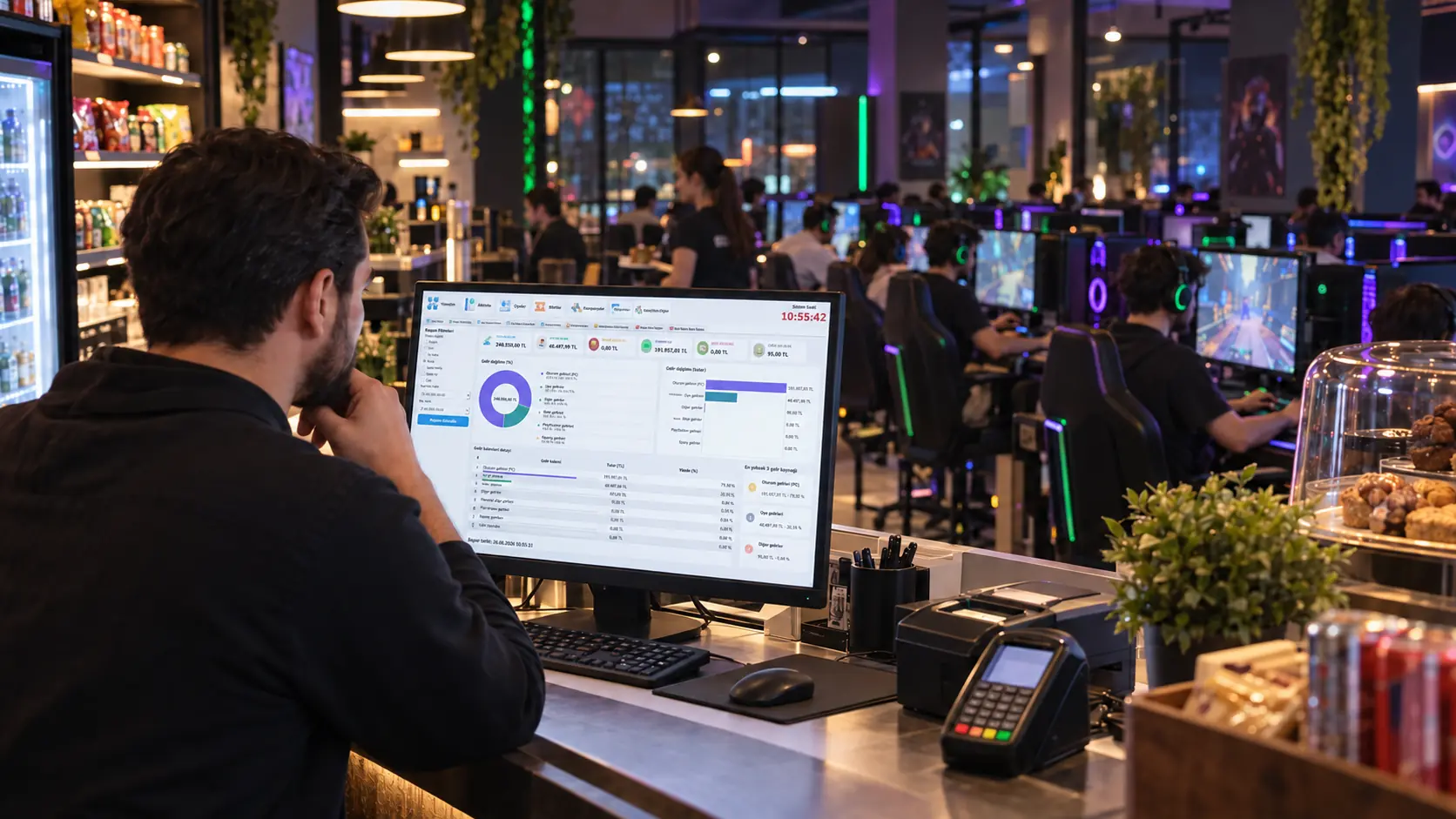
Seven ideas focused on pricing, membership, add-on sales, and measurement that may help improve occupancy, revenue per customer, and repeat visits.
1. Use demand-based packages instead of one hourly rate
Weekday afternoons, busy evenings, late nights, and premium PCs do not have the same demand. Packages for different times and device groups can help turn unused capacity into revenue.
Start by reviewing table-use records, sessions, and revenue across different days and periods. Comparing those records helps you identify less-used times and judge packages against real activity.
Use a late-night rate for quieter hours
Day and night usage may differ. EveryCafe lets you define rates for different times and prepare duration and price options for longer late sessions. These packages provide an alternative to standard hourly use.
Do not view a night rate only as a discount. Compare usage and revenue across periods, looking at session counts and revenue before adjusting price and duration to demand.
2. Measure repeat visits as well as new customers
Constantly acquiring new customers is expensive. Membership, balance benefits, regular-player packages, and tournament communities may support repeat visits.
Treat loyalty as a quicker member experience, not only a discount.
Keep your members when changing software
Operators may worry about losing members and established customer relationships when changing systems. Importing member records from supported competing internet cafe programs into EveryCafe avoids starting from zero and makes migration more controlled.
Back up existing data and confirm supported fields first. After transfer, check sample records to ensure the data arrived as expected.
3–4. Build add-on sales through food, drinks, and table ordering
Food and drink are an important part of revenue per customer during long sessions. Better menu visibility, order speed, and presentation may increase the chance of an additional purchase.
Combo menus, game-night packages, and easy QR ordering are small changes that may support add-on sales.
5. Put tournaments and community events on a regular calendar
A monthly or fortnightly format builds more of a habit than one-off tournaments. Look beyond the prize budget and compare occupancy, food and drink sales, and new-member activity.
6–7. Review table use and sales together
EveryCafe table-use records and session activity provide a starting point for comparing days or periods. Operators can place these records side by side and decide which times were used more or less. The operator—not the software—draws the conclusion from those comparisons; EveryCafe does not provide a ready-made occupancy classification.
Reviewing revenue and till reports alongside orders and sales helps compare table revenue with food-and-drink sales. Comparing periods before and after a rate or campaign change helps show how it may have affected table use, sessions, revenue, and orders.
The goal is not simply to track total revenue. Evaluate table use, sessions, revenue, till activity, and order movements together rather than relying on a single precomputed metric.
RELATED EVERYCAFE PAGES
Grow by managing capacity and customer behavior more carefully, not only by raising prices.
Explore EveryCafe solutions